Black Friday Tea Deals 2026: How to Tell a Real Discount, and What to Stock Up On
Black Friday 2026 is Friday, November 27. Before you buy tea on sale, check the price history, compare the price per bag or bottle, and buy only what you will finish before the best-by date. Here is how, plus our picks by use.
On this page
When are Black Friday and Cyber Monday 2026?
Federal law sets Thanksgiving Day as "the fourth Thursday in November" (5 U.S.C. 6103). In 2026 that is Thursday, November 26, so Black Friday, the day after, is Friday, November 27, 2026, and Cyber Monday is Monday, November 30, 2026.
We do not list which teas will be discounted or by how much. Sellers set those prices, and they are only visible once the sale starts. A sale banner on its own tells you very little. The rest of this guide is about checking a price yourself in a minute or two.
How to tell a real tea deal
1. Look at the price history, not the banner
A strikethrough price shows what a seller says the item cost before. The price history shows what it actually cost. Two free tools chart it for Amazon listings:
- Keepa describes itself as an Amazon price tracker with "Amazon price history charts and price drop alerts."
- camelcamelcamel is a website that tracks prices of products sold on Amazon.
Paste the product link into either one and look at the last few months. If the "sale" price is the same price the tea sat at most of the year, it is not a Black Friday deal. You can also set a price drop alert now and let it tell you if the price falls.
2. Know what the strikethrough price means
Amazon shows two kinds of reference price as a strikethrough (Amazon, "Engage customers with an Amazon List Price"):
- List Price is "the suggested retail price of a product as provided by a manufacturer, supplier, or seller," which Amazon says it validates against sales in its store and competitor prices.
- Typical Price is "the median price customers have paid for a product in the Amazon store over the past 90 days, not including prices paid during any limited-time promotions."
A Typical Price is closer to what people really pay. A List Price is a suggested price, which an item may rarely sell at. The Federal Trade Commission's pricing guide warns about exactly this: when "an artificial, inflated price was established for the purpose of enabling the subsequent offer of a large reduction," the bargain "is a false one" and the reduced price "is, in reality, probably just the seller's regular price" (16 CFR 233.1). A price history chart is how you spot that.
3. Compare the unit price, not the package price
Tea comes in very different pack sizes: 16 bags, 50 bags, a 14 oz tin, a case of 12 or 15 bottles. Divide the price by the number of bags, grams, ounces or bottles to get a unit price. The University of Minnesota Extension's example: a 10.5 oz can at the lower sticker price worked out to more per ounce than a 19 oz can (Real Life, Good Food: Unit pricing).
Compare the unit price of the "deal" with the unit price of the same tea in a different pack size, and with the same item's usual price from step 1.
4. Multipacks versus singles
Larger packages usually cost less per unit, but the same extension guide adds the catch: that is "the better deal, if you are going to eat the whole package before it goes bad," and "buying bigger may not be better if you end up throwing half of it out" (University of Minnesota Extension). A case of bottled tea or a big bag of barley tea is only a saving if you will drink it before its date.
5. Weigh Subscribe & Save against a one-time sale
Some tea on Amazon can be bought through Subscribe & Save. Amazon says the program has no fees, lets you pick a schedule from weekly to every six months and change it at any time, lets you cancel at any time, and unlocks extra savings on eligible items when five or more subscriptions arrive in one delivery (About Amazon, "How you can save time and money with Amazon Subscribe & Save").
For a tea you drink every day, compare the subscription's unit price with the Black Friday unit price. The cheaper of the two is your answer, whatever the banner says.
What to stock up on, and what to buy small
Read the best-by date first
A "Best if Used By" date is about quality, not safety. The FDA says it indicates "the date when a product will be at its best flavor and quality," and that, except for infant formula, manufacturers are not required by federal law to put quality-based date labels on packaged food (FDA, "How to Cut Food Waste and Maintain Food Safety"). So the date on a box of tea is the maker's own estimate of when it tastes best. Before buying several boxes or a case, check the date on the listing photos or the package and work out whether you will finish it by then.
Bagged grain teas and bottled tea: the easiest to stock up on
Sealed tea bags and sealed bottles are the simplest things to buy ahead, as long as the best-by date leaves you room. Korean barley and corn teas come in boxes of tea bags, and the bottled teas in our picks come in cases of 12 or 15. Keep the tea bags the way Japanese tea maker Yamamotoyama advises for tea in general: airtight, in a cool place out of direct sunlight, away from strong smells (Yamamotoyama, "The correct way to store tea leaves").
Loose-leaf green tea: buy small
Yamamotoyama says tea "easily absorbs odors" and deteriorates with "temperature, humidity, light, air," and its advice for home is to "buy small quantities if possible," keep unopened tea in its original packaging in a cool place out of direct sunlight, and "use it up within a month or so." If you keep tea in the fridge, let the sealed container come back to room temperature before opening it, because condensation lowers its quality (Yamamotoyama). A big bag of loose green tea on sale is a poor buy if it goes flat before you finish it.
Matcha: buy what you will open soon
Encha, one of the matcha brands we cover, says matcha "typically" has a shelf life of one year and prints an expiration date on the pouch; it should be kept airtight and away from heat and light (Encha, "How to Store Matcha"). Once a tin is open the window is much shorter: Nara Tea Co. advises refrigerating it and using it "within 4–6 weeks after opening for optimal flavor and color" (Nara Tea Co.). Several unopened tins can wait; an open one cannot.
Our picks by use
These are teas we already cover, each with its own page describing exactly what the Amazon listing says. We do not know what any of them will cost on Black Friday, so use the steps above on whichever you are considering.
Affiliate disclosure: the Amazon links on this page are affiliate links. As an Amazon Associate, Cha2go earns from qualifying purchases, at no extra cost to you. We do not track or promise sale prices, so every pick says to check today's price on Amazon.
Why these
- Caffeine-free: barley and corn are grains, not the tea plant, so these brew without caffeine. Barley contains gluten, so skip the barley teas if you avoid it. More options are in our barley tea guide.
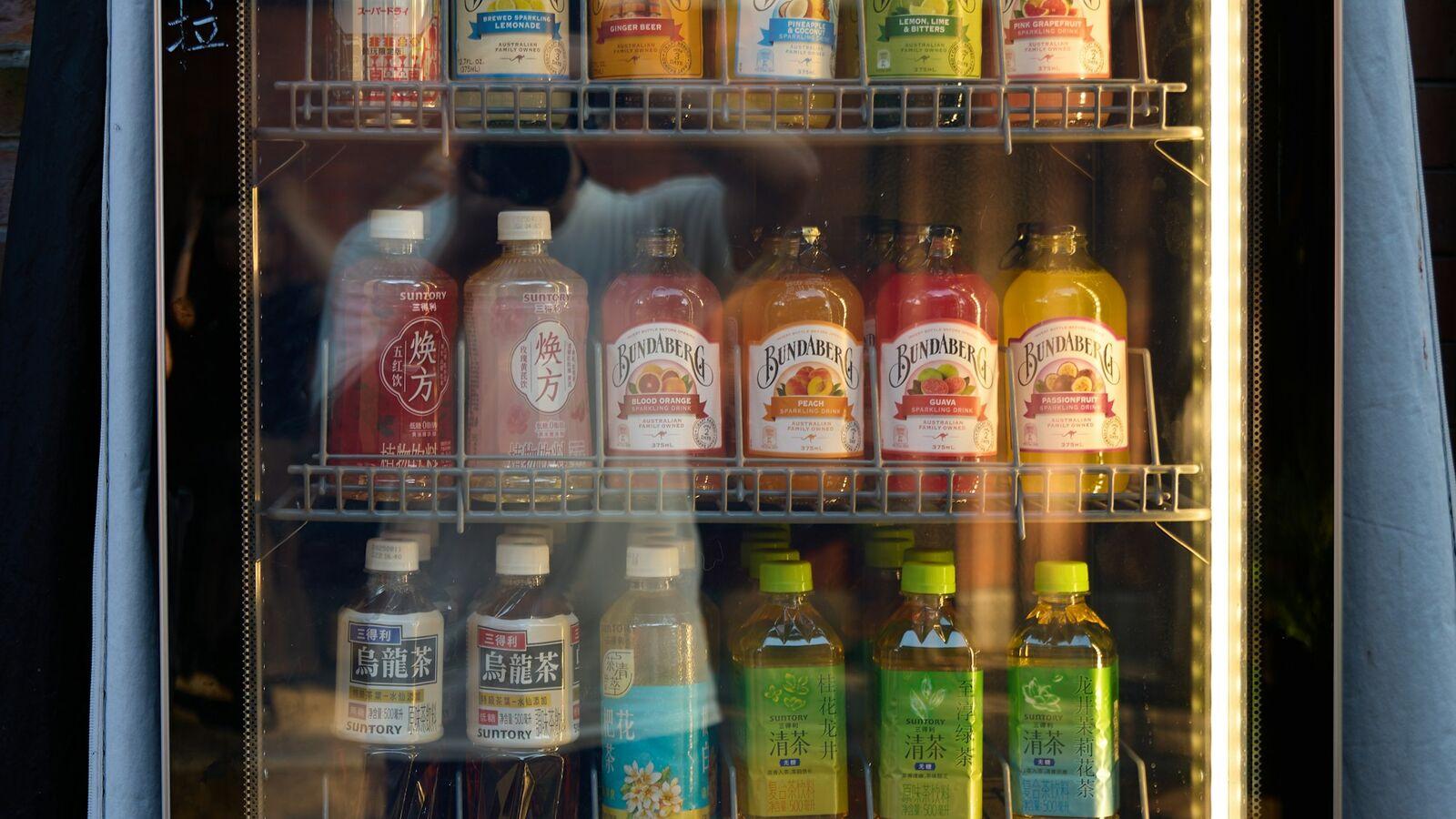
- Bottled: all three are sold unsweetened, by the case, which is where the unit-price check matters most. More in our bottled Asian tea guide.
- Matcha: two powders (one ceremonial, one latte grade) and a tea-bag option for someone who does not want to whisk. Mind the storage advice above before buying several tins.
- Gift: a tin, individually wrapped bags and a scented tea are easy to give as they are. Check the best-by date before you wrap anything you are buying weeks early.
Frequently asked questions
When is Black Friday 2026? Friday, November 27, 2026, the day after Thanksgiving, which falls on the fourth Thursday in November (5 U.S.C. 6103). Cyber Monday is November 30, 2026.
Will tea be on sale on Black Friday? We do not know, and we do not guess. Set a price drop alert in Keepa or check the item's history on camelcamelcamel, then decide on the day.
Is the strikethrough price on Amazon the real old price? It depends which one it is. A "Typical Price" is the median price paid on Amazon over the past 90 days, excluding limited-time promotions; a "List Price" is the suggested retail price from the manufacturer, supplier or seller (Amazon). The price history chart settles it.
Is it safe to drink tea after its best-by date? A "Best if Used By" date marks best flavor and quality, not safety (FDA). The FDA suggests checking food past that date for noticeable changes in color, consistency or texture.
Should I buy loose-leaf tea in bulk on sale? Usually not for green tea. Yamamotoyama advises buying small quantities and using unopened tea within a month or so at home (Yamamotoyama).
Sources
- 5 U.S.C. 6103, Holidays (Legal Information Institute)
- 16 CFR 233.1, Former price comparisons (FTC Guides Against Deceptive Pricing)
- Engage customers with an Amazon List Price (Amazon)
- How you can save time and money with Amazon Subscribe & Save (About Amazon)
- Keepa and camelcamelcamel
- Unit pricing (University of Minnesota Extension)
- How to Cut Food Waste and Maintain Food Safety (FDA)
- The correct way to store tea leaves (Yamamotoyama)
- How to Store Matcha (Encha)
- How to Keep Matcha Fresh (Nara Tea Co.)
- Black Friday
- Cyber Monday
- Shopping Guide
- Barley Tea
- Matcha
- Bottled Tea
Written by
Cha2go Editorial TeamThe Cha2go editorial team researches each page from cited sources and corrects errors when readers report them.
How our pages are made