Is Barley Tea Caffeine-Free? (Boricha + Mugicha)
Korean boricha (보리차) and Japanese mugicha (麦茶) are both made from roasted barley grains — they contain zero caffeine. This is why barley tea is the default household drink for Korean families and the summertime refresher for Japanese ones: safe for kids, pregnant people, and late-night sipping.
Zero caffeine. Barley is a grain, not a tea leaf.
How it compares
Barley tea is technically a tisane, not a tea — it comes from roasted barley kernels, not the Camellia sinensis plant. That's why it has the same caffeine content as water: zero. The toasty, nutty flavor comes entirely from the roasting, not from any tea leaf.
| Drink | Caffeine (mg) |
|---|---|
| Boricha / Mugicha (8 oz) | 0 |
| Water | 0 |
| Decaf coffee (8 oz) | 3 |
| Hojicha (8 oz) | 8 |
Caffeine-free picks we recommend
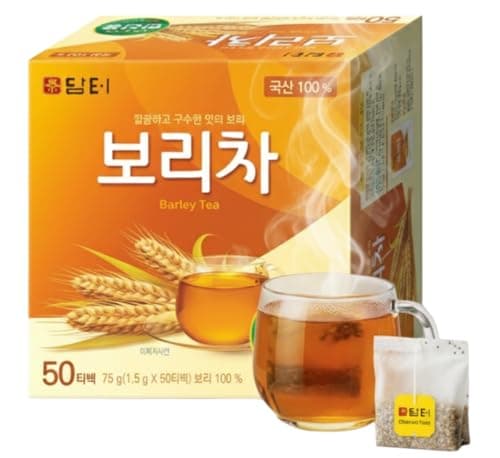
Premium roasted barley tea from Korea's leading tea brand. 100% natural, zero calories, rich nutty flavor.
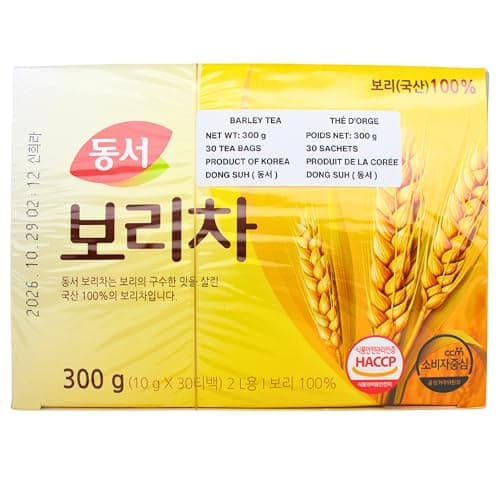
Korea's original barley tea brand. Rich tradition since 1968. Premium roasted flavor in convenient tea bags.
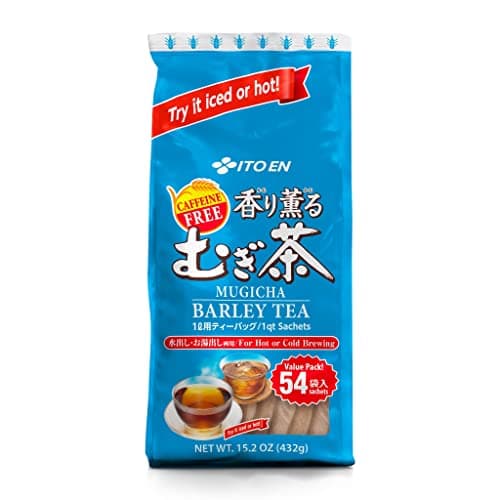
Korea's #1 daily drink. Naturally sweet, nutty, and caffeine-free roasted barley tea. From trusted Japanese tea brand Ito En.
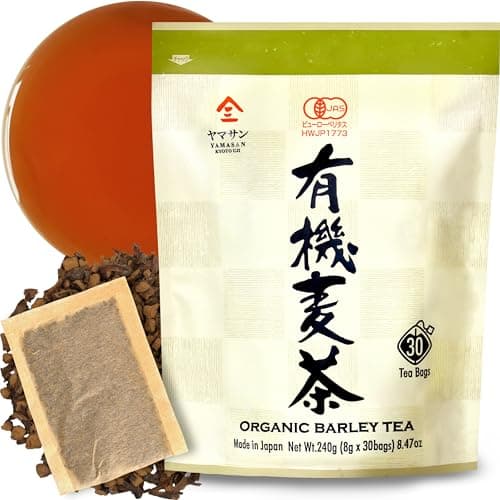
Organic summer tea. Naturally sweet, refreshing roasted barley tea - Japan's favorite caffeine-free beverage.
Frequently asked
Is boricha the same as mugicha?
Nearly — both are roasted barley tea. Boricha (Korean) tends to be roasted darker and has a stronger toasted finish; mugicha (Japanese) is lighter and milder. Caffeine content is zero for both.
Can I give barley tea to children?
Yes, it's a traditional household drink for Korean and Japanese families. Many parents use diluted barley tea as the primary hydration beverage for toddlers. Check with your pediatrician for infants.
Is barley tea safe during pregnancy?
Caffeine-wise yes — it's zero. As always, confirm with your OB since barley does contain gluten.