
How Much Caffeine Is in Pu-erh Tea?
Pu-erh is post-fermented Chinese tea from Yunnan. A standard 8 oz brew delivers 30-70 mg of caffeine, with raw (sheng) pu-erh running at the higher end and ripe (shou) pu-erh landing lower because the long fermentation breaks down some caffeine.
About 50 mg per cup — similar to a light coffee.
How it compares
Pu-erh is stronger than green tea and about on par with black tea. Unlike green tea, pu-erh is usually brewed gongfu style with 6-10 steeps — your session caffeine can exceed a large coffee.
| Drink | Caffeine (mg) |
|---|---|
| Ripe pu-erh (8 oz) | 40 |
| Raw pu-erh (8 oz) | 65 |
| Black tea (8 oz) | 50 |
| Brewed drip coffee (8 oz) | 95 |
Our picks on Amazon
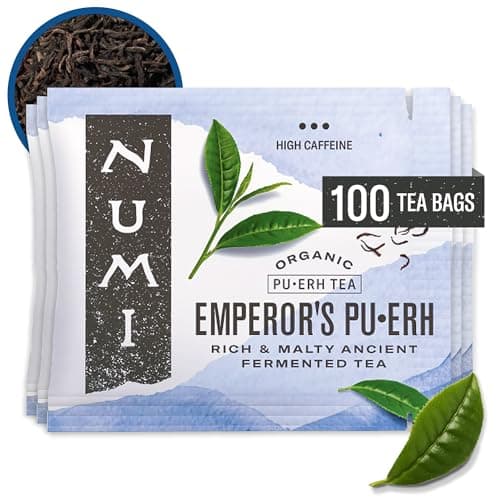
Aged fermented Yunnan black tea in convenient tea-bag format. Deep, earthy, full-bodied — the gateway pu-erh for beginners.
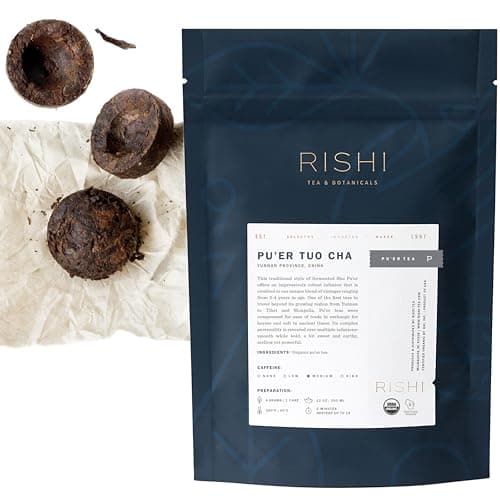
Loose-leaf ripe pu-erh from direct-trade Yunnan sourcing. Aged, smooth, earthy — the step up from tea-bag pu-erh for enthusiasts.
Frequently asked
Does aged pu-erh have less caffeine?
Slightly — aging and fermentation degrade a portion of the caffeine over years. The effect is measurable but not enormous.
Is raw (sheng) or ripe (shou) pu-erh better for sensitive drinkers?
Ripe pu-erh. The long wet-piling fermentation breaks down more caffeine than sheng's slow natural aging, which is why ripe pu-erh is often recommended as a first pu-erh and for afternoon sessions.
Can I drink pu-erh on an empty stomach?
Many traditional drinkers do, and pu-erh is often served at the start of Chinese meals. If you're caffeine-sensitive or prone to acid reflux, eat a small something with your first cup.