Is Brown Rice Tea Caffeine-Free?
Pure Korean brown rice tea (hyeonmi cha, 현미차) is made from toasted brown rice alone and contains no caffeine. Don't confuse it with Japanese genmaicha, which blends green tea with brown rice and does contain caffeine from the green tea portion.
Zero caffeine if pure brown rice. About 17 mg if it's a genmaicha blend.
How it compares
Read the label carefully. If it says 'brown rice tea' only, you're drinking a grain infusion with zero caffeine. If it says 'genmaicha' or lists green tea as an ingredient, you're drinking a blend with modest caffeine.
| Drink | Caffeine (mg) |
|---|---|
| Pure brown rice tea (8 oz) | 0 |
| Genmaicha blend (8 oz) | 17 |
| Boricha (8 oz) | 0 |
| Hojicha (8 oz) | 8 |
Caffeine-free picks we recommend
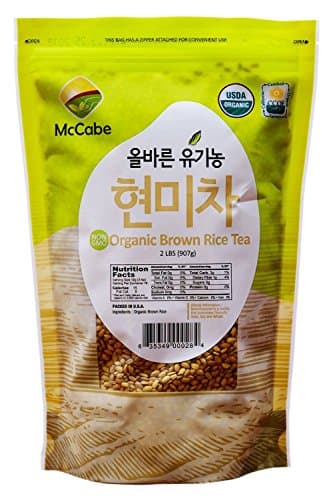
Gentle & wholesome roasted brown rice tea. Nutty, toasted flavor with health benefits. Traditional Korean grain tea.
Frequently asked
What's the difference between hyeonmi cha and genmaicha?
Hyeonmi cha (Korean) is pure toasted brown rice. Genmaicha (Japanese) is a blend — usually 50/50 green tea and toasted brown rice. The caffeine difference comes entirely from whether green tea is present.
Is brown rice tea safe during pregnancy?
Pure brown rice tea is zero caffeine and widely consumed daily in Korea across life stages. It's free of gluten and caffeine. Confirm with your OB if you have specific concerns.
Can I reuse the rice after steeping?
In Korea, a second batch is common — reboil the rice in fresh water for a lighter, cleaner cup. After two batches, the rice has given its flavor up and is usually composted.