The Complete Guide to Bottled Asian Teas (2026)
Bottled Asian teas — boricha, mugicha, oi ocha, matcha lattes, unsweetened oolong — are the best zero-sugar ready-to-drink beverages in America. Here's why they're different, the brands that matter, and how to pick a bottle that's actually worth drinking.

The Complete Guide to Bottled Asian Teas
If you've walked the beverage aisle at an American grocery store in the last year, you've noticed something shifting. Next to the Snapple and sweetened Lipton, bottles in unusual shapes are appearing: slim Japanese cans, square plastic bottles with Korean labels, something called "oi ocha" in a brown glass bottle. They're priced higher than Arizona Iced Tea. They list two ingredients. And once Americans try one, they rarely go back.
This is the quiet takeover of bottled Asian teas — and for anyone serious about what goes in their body, it's the most important beverage shift of the decade.
This guide is the complete breakdown: what bottled Asian teas actually are, why Asian brands dominate the ready-to-drink quality game, every major bottled tea type you should know, and the brands worth your $3 per bottle.
What makes a bottled Asian tea different from an American iced tea?
Pick up a bottle of Lipton Iced Tea. Read the ingredients: tea, water, high fructose corn syrup, citric acid, natural flavor, sodium citrate, phosphoric acid, potassium sorbate, caramel color. A 20oz bottle has 36 grams of added sugar — more than a can of Coke.
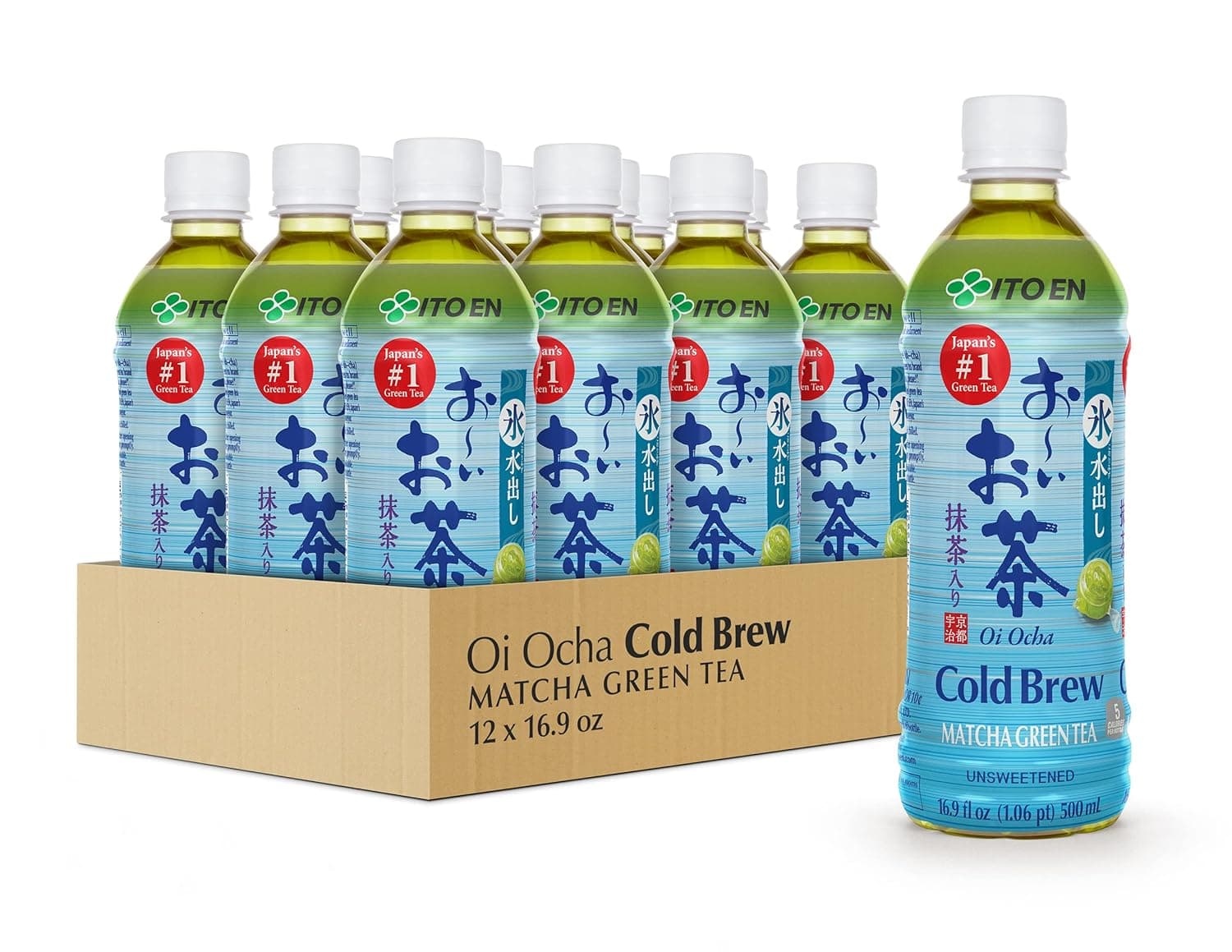
Now pick up a bottle of Ito En Oi Ocha Unsweetened Green Tea. Ingredients: green tea, water, vitamin C (ascorbic acid, used as a preservative). Zero calories. Zero sugar. Zero sweetener, artificial or natural.
That's not a marketing difference. That's a philosophy difference.
In the US, "iced tea" developed as a dessert drink — sweet tea, lemonade blends, sweetened fruit "teas." The tea itself is often powdered or concentrated. Sugar masks everything.
In Asia — particularly Japan and Korea — bottled tea developed as an everyday beverage replacement. Boricha instead of water in Korean households. Oi Ocha in Japanese vending machines next to water bottles. Drinking tea unsweetened with meals is the default, not the exception. When those markets bottled their teas for convenience, they bottled the real thing.
The result: bottled Asian teas are typically made from actual brewed tea leaves, contain zero sugar, use minimal or zero preservatives, and taste like the tea you'd make at home. American bottled teas are a different product category entirely.
Why Asian brands lead the bottled tea market
Three structural reasons:
1. Mature domestic demand. Japan's bottled green tea market has been competitive since the late 1980s, with Ito En's Oi Ocha launching the unsweetened category in 1985. That's 40 years of product iteration. Korean brands like Dongsuh, Damtuh, and Osulloc have been perfecting barley and corn teas for decades. US brands are ~10 years into serious unsweetened-RTD development.
2. Better sourcing baselines. Japanese and Korean bottled teas often come from tea-growing regions (Uji, Kagoshima, Jeju) with centuries of cultivation expertise. Even mass-market bottled teas use real leaves. Cheap US bottled tea is often reconstituted from instant powder.
3. Different flavor expectations. Asian palates — especially Japanese and Korean — are accustomed to savory, umami-forward, bitter-adjacent drinks. That opens up a whole category (unsweetened roasted barley, unsweetened oolong, unsweetened matcha) that mainstream American bottled tea never touched because Americans equated "tea" with "sweet."
The happy accident: as American consumers wake up to sugar's health consequences, Asian bottled teas are waiting, perfectly positioned, with 40 years of product R&D already done.
The major bottled Asian tea types (and what each tastes like)
Green tea (Sencha, Matcha-infused)
What it is: Brewed Japanese green tea, sometimes with a small amount of powdered matcha added for body and color. Usually unsweetened.
Taste: Grassy, slightly vegetal, clean finish. Think of the flavor of high-quality sushi restaurant tea, cold.
Top brands: Ito En Oi Ocha (the category-defining bottle), Ito En Matcha Green Tea, Kirin Afternoon Tea Green.
Caffeine: ~25-30mg per 16oz — less than coffee, enough to feel.
Best for: Lunchtime, replacing soda with meals, afternoon work sessions.
→ See Ito En Oi Ocha Japanese Green Tea and Best Bottled Asian Teas for our top picks.
Barley tea (Boricha / Mugicha)
What it is: Roasted barley grains steeped in water. No tea leaves at all — it's a grain infusion.
Taste: Nutty, toasted, slightly sweet from the roasting. Tastes like walking past a bread oven. Hot or cold, wildly refreshing.
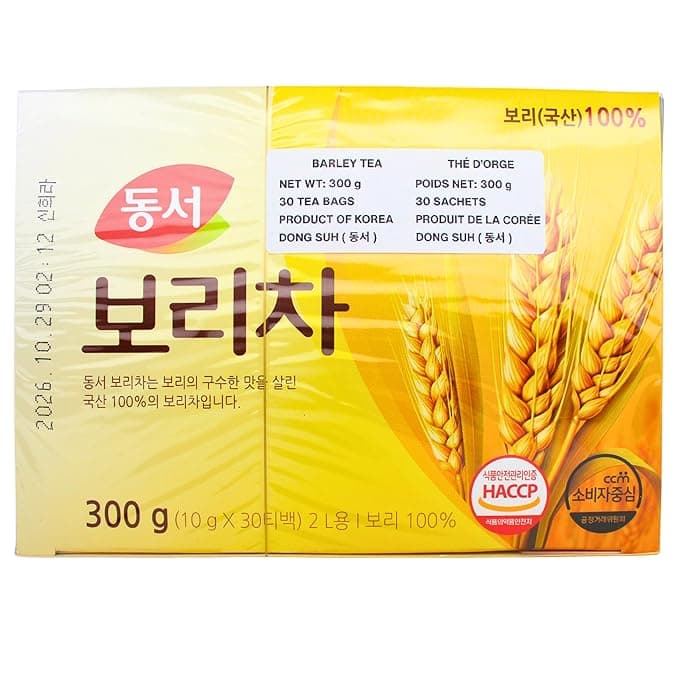
Top brands: Ito En Mugicha (Japanese style, lighter roast), Dongsuh Barley Tea (Korean style, darker roast), Damtuh Boricha.
Caffeine: Zero.
Best for: Daily hydration, kids, anyone cutting caffeine, post-workout. In Korea it's literally served instead of water at restaurants.
→ Full primer: Korean Barley Tea Guide. Products: Damtuh, Dongsuh, Ito En.
Oolong tea
What it is: Bottled brewed oolong — a semi-oxidized Chinese/Taiwanese tea type that sits between green and black.
Taste: Complex, floral, sometimes fruity, with a creamy mouthfeel. More body than green tea, less tannin than black.
Top brands: Ito En Oolong Tea (iconic Japanese brand despite being a Chinese tea), Suntory Iyemon.
Caffeine: ~35-40mg per 16oz.
Best for: Dinner, especially with fatty or rich food. Oolong is traditionally paired with dim sum and Chinese meals for its digestive reputation.
Matcha lattes (RTD)
What it is: Bottled ready-to-drink matcha lattes — matcha powder + milk + some sweetener.
Taste: Creamy, grassy, sweet but not aggressively so. The best ones taste close to café matcha lattes.
Top brands: Chamberlain Coffee Matcha, Blue Stripes Matcha, Panera's bottled line.
Caffeine: ~50-80mg per 16oz depending on grade.
Caveat: Most RTD matcha lattes have 10-20g of added sugar. Read labels. If you want real unsweetened matcha, make it at home — we cover that in Starbucks Matcha Latte at Home.
Chai & spiced bottled teas
What it is: Bottled masala chai — spiced Indian black tea with milk.
Taste: Warming, spiced, creamy, usually sweet.
Top brands: Tazo Chai, Pukka Chai, Wagh Bakri bottled.
Caffeine: ~40-50mg per 16oz.
Caveat: Same as matcha lattes — most bottled chais are loaded with sugar. The homemade version wins on flavor and sugar content. See Starbucks Chai Latte at Home.
Corn silk / corn tea (Oksusu Cha)
What it is: Roasted corn silk (the threads under the husk) and/or roasted corn kernels, steeped.
Taste: Subtly sweet, creamy, grain-forward. Smoother than barley.
Top brands: Nokchawon, Damtuh, Lotte.
Caffeine: Zero.
Best for: The caffeine-free category. Traditionally consumed in Korea for digestive support.
Roasted green tea (Hojicha)
What it is: Bottled hojicha — Japanese green tea that's been roasted until it's brown, then brewed.
Taste: Toasted, caramel-ish, nutty. Like green tea's cousin who grew up near a campfire.
Top brands: Ito En Hojicha (the Oi Ocha line includes a hojicha SKU), Maeda-en.
Caffeine: ~7-10mg — roasting destroys most of it.
Best for: Evening tea, caffeine-sensitive drinkers, dessert pairings.
→ Full guide: Hojicha Complete Guide.
Citrus / yuja tea
What it is: Bottled yuja cha — Korean citrus-peel-and-honey preserves diluted with water.
Taste: Bright, floral-citrus, sweet (it's preserved in honey/sugar, so always some sweetness).
Top brands: Osulloc Yuja tea.
Caffeine: Zero.
How to read a bottled Asian tea label (the 30-second audit)
Before you pay $3 for a bottle, check three things.
1. Ingredients list. The best bottles have 2-3 ingredients: tea (or grain), water, and optionally vitamin C (ascorbic acid) as a natural preservative. Anything with "high fructose corn syrup," "sucralose," or more than 5 ingredients is probably closer to an American-style sweet tea.
2. Sugar content. Real unsweetened bottled Asian teas have 0g sugar. Semi-sweetened (some matcha lattes) have 8-12g. Sweetened (most bottled chais) have 18-25g. Anything over 25g is essentially a soda in disguise.
3. Origin. Japanese-made Ito En, Kirin, Suntory; Korean-made Osulloc, Damtuh, Dongsuh; Chinese-made Ten Ren, Lipton Jasmine (varies by region). Made-in-USA versions of these brands sometimes cut corners on sourcing.
Our Best Bottled Asian Teas post ranks specific SKUs — this guide is the framework; that post is the ranked buyer's guide.
Best bottled Asian tea brands, ranked
Not every brand is equal. Here's how we'd rank the bottled Asian tea brands worth your attention:
Tier 1 — Category-definers:
- Ito En (Japan) — Oi Ocha green tea is the canonical unsweetened bottled green tea. Mugicha, hojicha, matcha green, oolong — everything they make is worth buying.
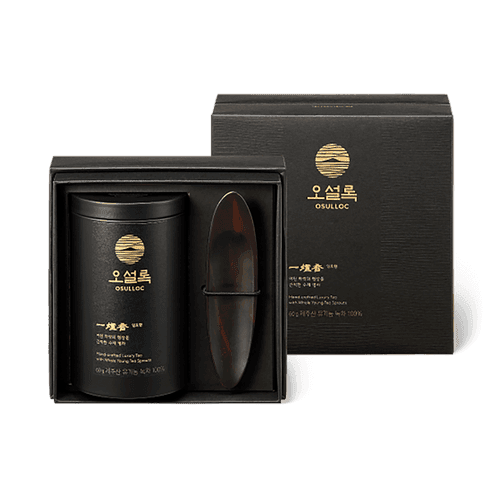
- Osulloc (Korea) — premium Jeju Island teas, including a bottled line. More expensive, higher quality ceiling.
- Kirin (Japan) — Afternoon Tea line + various canned teas. Widely available.
Tier 2 — Solid daily-drivers:
- Dongsuh (Korea) — budget-friendly barley teas that Korean households actually buy.
- Damtuh (Korea) — broader range including corn silk and buckwheat.
- Suntory (Japan) — Iyemon green tea, oolong, various.
Tier 3 — Mixed bag:
- Nokchawon (Korea) — good on specific SKUs like roasted corn.
- Yamamotoyama (Japan-US) — US-facing Japanese brand, good quality but sometimes modified for American palate.
- Republic of Tea (US) — makes "Asian-inspired" teas; better than Lipton, not as authentic as imports.
Avoid:
- "Asian-style" teas from major US beverage companies (Lipton "green tea citrus," etc.) — usually loaded with sugar, often no real Asian sourcing.
- Bottled teas with added HFCS, artificial sweeteners, or dye colors.
See the full curated list in our Chai & Indian Tea, Japanese Tea, and Korean Tea category pages.
Where to buy bottled Asian teas in the US
In-store:
- H-Mart — Korean grocery chain. Best selection of Korean bottled teas, plus Japanese imports. Authentic, fairly priced.
- Mitsuwa, Nijiya, Marukai — Japanese grocery chains (mostly West Coast). Wide Ito En / Kirin / Suntory selection.
- 99 Ranch Market — pan-Asian grocery, strong on Chinese and Taiwanese.
- Whole Foods / Wegmans — carry some Ito En + Kirin, limited selection.
- Costco — occasionally stocks bulk Ito En or Kirin at great prices.
Online:
- Amazon — widest selection, Prime shipping, often best prices for multipack orders.
- Weee! — Asian grocery delivery, strong on Korean and Chinese.
- Yami — Asian grocery delivery, strong on Japanese.
We link directly to Amazon throughout Cha2go for convenience — that's where the best ongoing stock is, typically with 20-30% discounts on 6-pack cases.
The unsweetened iced tea use case
One of the biggest wins of bottled Asian teas is how they replace sugar-laden summer drinks.
Typical 20oz summer drink, sugar content:
- Sweetened iced tea: 36g
- Arnold Palmer: 48g
- Peach Snapple: 40g
- Soda: 65g
- Lemonade: 50g
Ito En Oi Ocha Unsweetened, 16.9oz: 0g. Damtuh Barley Tea: 0g. Ito En Hojicha: 0g.
If you swap one daily sugared drink for one bottled unsweetened Asian tea, you cut roughly 13,000g of sugar per year — about 30 pounds of pure sugar you're not consuming.
Our dedicated piece on this: Best Unsweetened Iced Tea.
Making a bottled Asian tea at home
If you love the bottled versions, you can make them yourself for about 10% of the cost.
Cold-brew Oi Ocha style:
- 2 tsp loose sencha in a 32oz jar
- Fill with cold filtered water
- Refrigerate 8 hours, strain
- Keeps 5 days
Cold-brew barley tea (boricha):
- 3 tbsp roasted barley in a 64oz pitcher
- Fill with cold water
- Refrigerate 6-8 hours, strain
- Keeps 5-7 days, batch serves a week
Full brewing guides: Korean Barley Tea Guide, Hojicha Guide, What Is Matcha.
Common questions
Are bottled Asian teas actually healthy? The unsweetened ones, yes — they're as close to "healthy drink" as packaged beverages get: zero calories, zero sugar, plus actual tea polyphenols. Sweetened ones (many chai + matcha lattes) are closer to regular sugared drinks nutritionally.
Why is the caffeine so low compared to coffee? Bottled teas are brewed weaker than fresh hot tea (for shelf stability + palatability). A 16oz bottle of Oi Ocha has ~25-30mg of caffeine; an 8oz coffee has ~95mg. They're different caffeine-delivery products.
Are bottled teas as good as freshly brewed? For daily hydration — yes, they're essentially equivalent. For flavor complexity and ceremonial purposes — no, fresh brewing wins. But a bottle of Ito En at noon beats a sugary soda every time.
How long do bottled Asian teas keep? Unopened: 6-12 months. Opened, refrigerated: 2-3 days. Vitamin C (ascorbic acid) is added as a natural preservative but not indefinite.
Are there caffeine-free options? Yes — barley tea, corn silk tea, hojicha (very low caffeine), tulsi tea, yuja tea, buckwheat tea. The entire Korean grain-tea category is caffeine-free.
The bottom line
Bottled Asian teas are the most undervalued beverage category in America. Real ingredients, zero or minimal sugar, centuries of product R&D, and widely available at H-Mart, Costco, and Amazon.
If you're going to drink one non-water beverage a day for the next year, make it an unsweetened bottled Asian tea. Your sugar intake drops. Your actual tea exposure goes up. And you'll discover there's a whole tea culture sitting in plain sight that the American grocery shelf has been hiding next to the Snapple.
Start with Ito En Oi Ocha if you want the category-defining experience. Try Damtuh Boricha if you want caffeine-free and nutty. Try Ito En Hojicha if you want something almost caffeine-free with roasted depth.
Everything else is a variation on these three.
These statements have not been evaluated by the Food and Drug Administration. Bottled teas are not intended to diagnose, treat, cure, or prevent any disease.
Third-generation tea drinker turned food scientist. Built Cha2go to share the authentic Asian tea tradition her grandmother never got to explain.
Read full profile + credentials →